
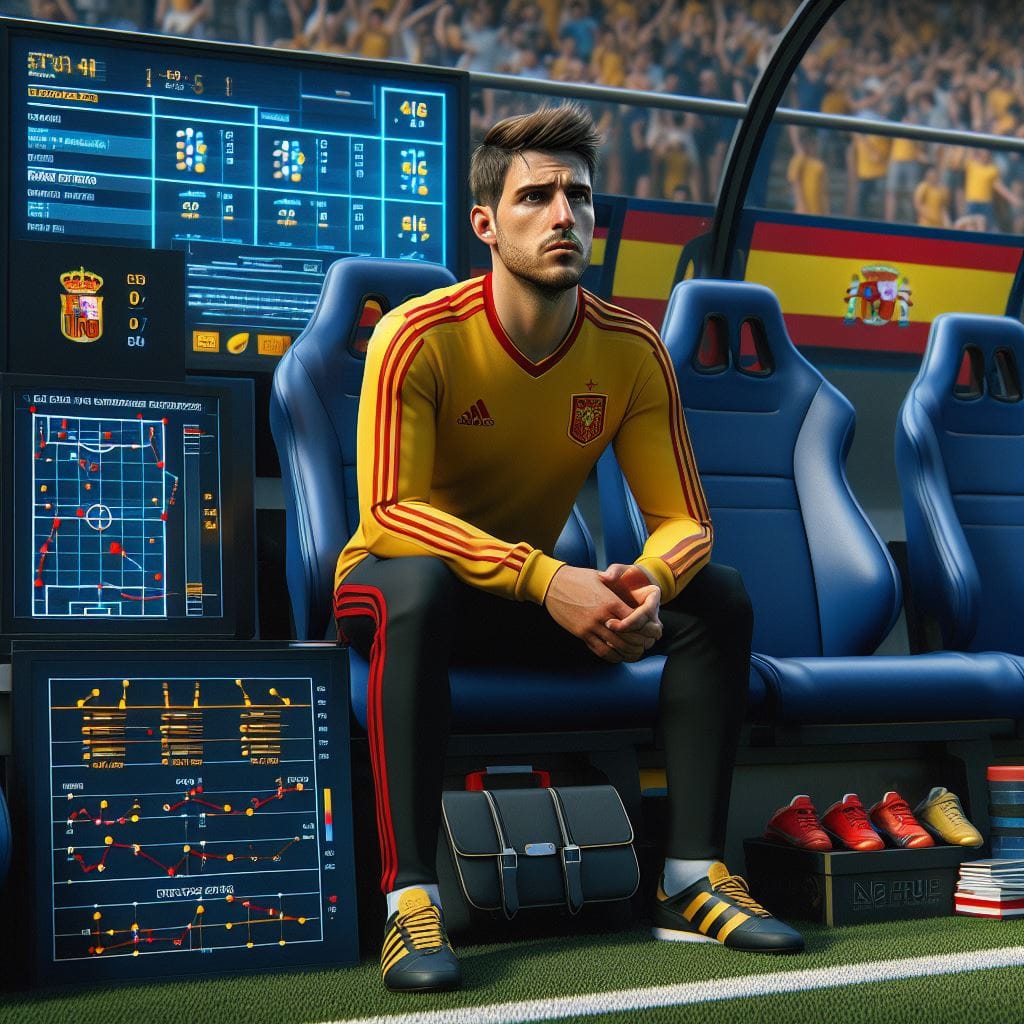
Specialist Course as a Second Coach in Modern Football
In the ever-evolving world of modern football, the role of the second coach (also known as assistant coach) has become more critical than ever. The Specialist Course as a Second Coach in Modern Football is designed to equip aspiring and current assistant coaches with the knowledge, strategies, and skills required to play a pivotal role in the success of a football team. This course empowers you to become the strategic mind that works behind the scenes, ensuring that the team operates efficiently, and that the head coach’s vision is flawlessly executed.
The second coach is the unsung hero of any successful team, acting as the bridge between the players and the head coach, overseeing tactical implementation, and often serving as the emotional support system for the squad. This course provides a comprehensive understanding of the responsibilities, challenges, and opportunities that come with this critical position, ensuring that you can make a substantial impact on your team’s performance.
Key Components of the Course:
- The Role of the Second Coach:
- Understanding the core responsibilities of the second coach, including the support of the head coach, implementation of tactical strategies, overseeing training sessions, and managing player relationships. You will explore how to act as the communication link between the head coach and players, ensuring that the team is aligned with the overall tactical vision.
- This module emphasizes the importance of being adaptable, detail-oriented, and strategically minded, with the ability to handle multiple aspects of team management while remaining in sync with the head coach.
- Tactical and Strategic Mastery:
- Learn how to assist the head coach in designing and implementing tactical strategies that maximize the strengths of the team. This module focuses on tactical analysis, understanding the opponent, and adapting strategies during matches.
- You will gain insights into various modern football tactics, including formations, pressing systems, counter-attacks, and defensive structures, ensuring that you can contribute meaningfully to match preparation and in-game adjustments.
- Training Session Design and Execution:
- A critical responsibility of the second coach is the design and execution of training sessions. This module teaches how to create effective training plans that align with the head coach’s philosophy and the team’s objectives. You will learn to focus on specific tactical, technical, and physical elements while maintaining high levels of engagement and motivation within the squad.
- You’ll also explore how to balance individual player development with the broader needs of the team, ensuring that every training session serves both the collective and individual goals.
- Player Relationship Management:
- One of the second coach’s most important roles is managing player relationships. Often, the second coach serves as the emotional support for players, addressing concerns that they may not feel comfortable bringing directly to the head coach. This module teaches communication skills, conflict resolution, and how to build trust and rapport with the players.
- By fostering strong relationships, the second coach can maintain high morale and ensure that the players feel supported and valued, both on and off the pitch.
- Scouting and Opposition Analysis:
- Learn how to provide critical support in scouting and opposition analysis. This module covers the tools and techniques used to assess opponent strengths, weaknesses, and tendencies, enabling the head coach to develop targeted game plans.
- You will be taught how to break down game footage, identify key patterns, and deliver concise reports that inform tactical decisions.
- Match Day Responsibilities:
- On match day, the second coach plays a key role in observing gameplay, analyzing the opponent’s tactics in real-time, and making in-game suggestions to the head coach. This module focuses on understanding the dynamics of a match, recognizing pivotal moments, and helping the team adapt strategies on the fly.
- You will learn how to handle substitutions, set-piece coordination, and post-match debriefing, ensuring that the team is always prepared to respond to changing conditions during the game.
- Communication with the Head Coach:
- Effective communication between the head coach and second coach is essential to maintaining strategic consistency and ensuring that both are aligned in terms of team objectives. This module teaches you how to communicate tactically relevant information to the head coach in real time and contribute effectively to the decision-making process.
- You will also learn the nuances of supporting leadership, knowing when to provide input and when to step back, ensuring that the head coach feels fully supported without feeling undermined.
- Building a Cohesive Coaching Unit:
- The second coach is part of a broader coaching staff, and building cohesion within the coaching team is critical for long-term success. This module focuses on how to foster a positive working environment among all coaches, ensuring that ideas flow freely, and that the staff operates as a unified team.
- You will also learn about the importance of collaborating with specialists (e.g., fitness coaches, psychologists, data analysts) to ensure that all aspects of player development are covered.
- Developing Leadership and Autonomy:
- While the second coach works under the guidance of the head coach, this course emphasizes the need for leadership and autonomy in your role. You will develop your own leadership style, learning how to take initiative when required and make decisions that align with the head coach’s vision but showcase your independent thinking.
- This module also covers adaptive leadership, which is essential for handling unexpected situations, including injuries, tactical changes, and on-the-spot problem-solving during matches or training sessions.
- Career Progression as a Second Coach:
- For many second coaches, the role is a stepping stone to becoming a head coach or taking on more responsibility within a football organization. This module provides guidance on how to advance your career, build a professional network, and continue developing your skills to eventually step into a head coaching role or higher leadership positions.
Who Should Enroll:
- Aspiring Assistant Coaches: Looking to develop the tactical and management skills necessary to excel as a second coach in modern football.
- Current Assistant Coaches: Seeking to refine their strategies, communication skills, and leadership qualities to have a greater impact on team performance.
- Football Professionals: Interested in understanding the critical role that the second coach plays in modern football management.
Learning Outcomes:
By the end of the Specialist Course as a Second Coach in Modern Football, participants will:
- Gain a deep understanding of the strategic role of the second coach and how to support the head coach in achieving team goals.
- Develop advanced skills in tactical analysis, training design, and match-day management.
- Learn how to manage player relationships, build trust, and foster a positive team culture.
- Enhance your ability to scout opponents and provide meaningful tactical insights during games.
- Master the art of communication and collaboration with the head coach and broader coaching staff.
- Build a pathway for career advancement, whether within a coaching unit or as a future head coach.
Elevate Your Coaching Career:
The Specialist Course as a Second Coach in Modern Football is a unique opportunity to develop the expertise necessary to become a vital part of a football team’s success. Whether you are stepping into the role for the first time or seeking to refine your skills, this course will prepare you to be the strategic force behind the team, ensuring that you can lead from the shadows and elevate team performance to new heights.
Enroll today and become the specialist strategist that modern football demands.
COMPLETE COURSE :
Características del curso
- Conferencia 0
- Cuestionario 0
- Duración 10 semanas
- Nivel de habilidad Todos los niveles
- Idioma English
- Estudiantes 0
- Evaluaciones Si