Performance Architecture Training
Develop your skills in methodology and sports systems architecture.
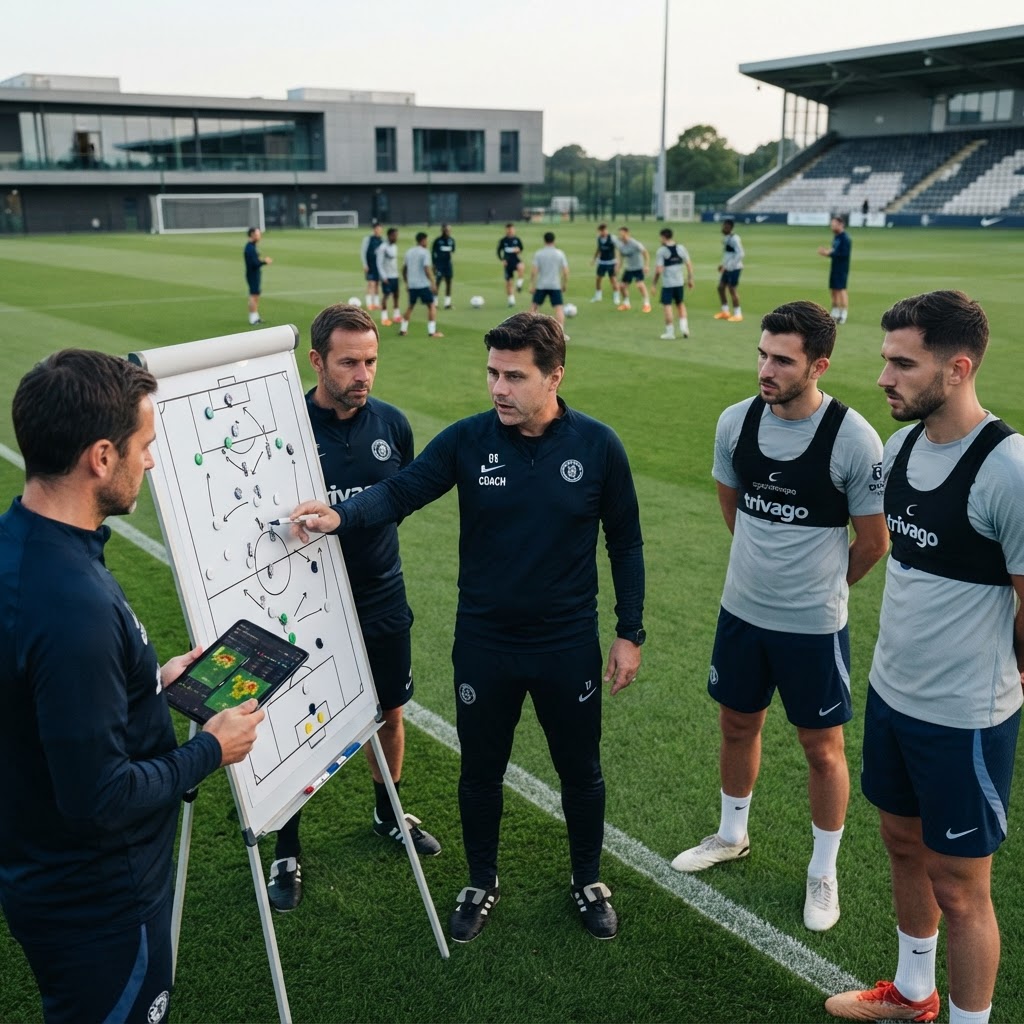
From training, this idea must become usable professional knowledge: understanding the principle, recognizing it in context, applying it, and evaluating its transfer. Efficiency in elite football does not lie in the accumulation of tasks, but in the architecture of institutional coherence. Many clubs face the 'transfer gap,' where principles worked on the whiteboard do not find an echo in the complexity of the match. If the methodology is not aligned with the club's decision-making system, performance will be erratic and dependent on individual inspiration. We must understand training as a cognitive filtering system. Performance architecture requires the technical staff to share a unified operational language that converts tactical complexity into simplified decisions for the player. It is necessary to audit how information reaches the player: Are we bombarding them with contradictory stimuli or refining their decision-making channel? Excellence is not achieved with more information, but with greater filtering capacity. By building an environment where intuition is backed by a reference structure, we move from tactical chaos to competitive fluidity. Let's stop asking the player to guess and build a context that guides them toward optimal execution. Continuous training matters because methodology evolves when the professional recurrently connects learning, practice, and evidence.
<section class="pons-ecosystem-cta"><p><strong>Explore David Pons professional profile and strategic collaboration</strong></p><p><a href="https://davidponscoach.com" target="_blank" rel="noopener noreferrer">David Pons professional profile</a></p></section>#InstitutoPons #SportsTraining #FootballMethodology #CoachingCareer #DavidPons #FootballCoach #UEFAPro #FootballLeadership #SportingDirector #HighPerformance