Training: Building Executive Autonomy
Advanced training in systemic methodologies for football professionals.
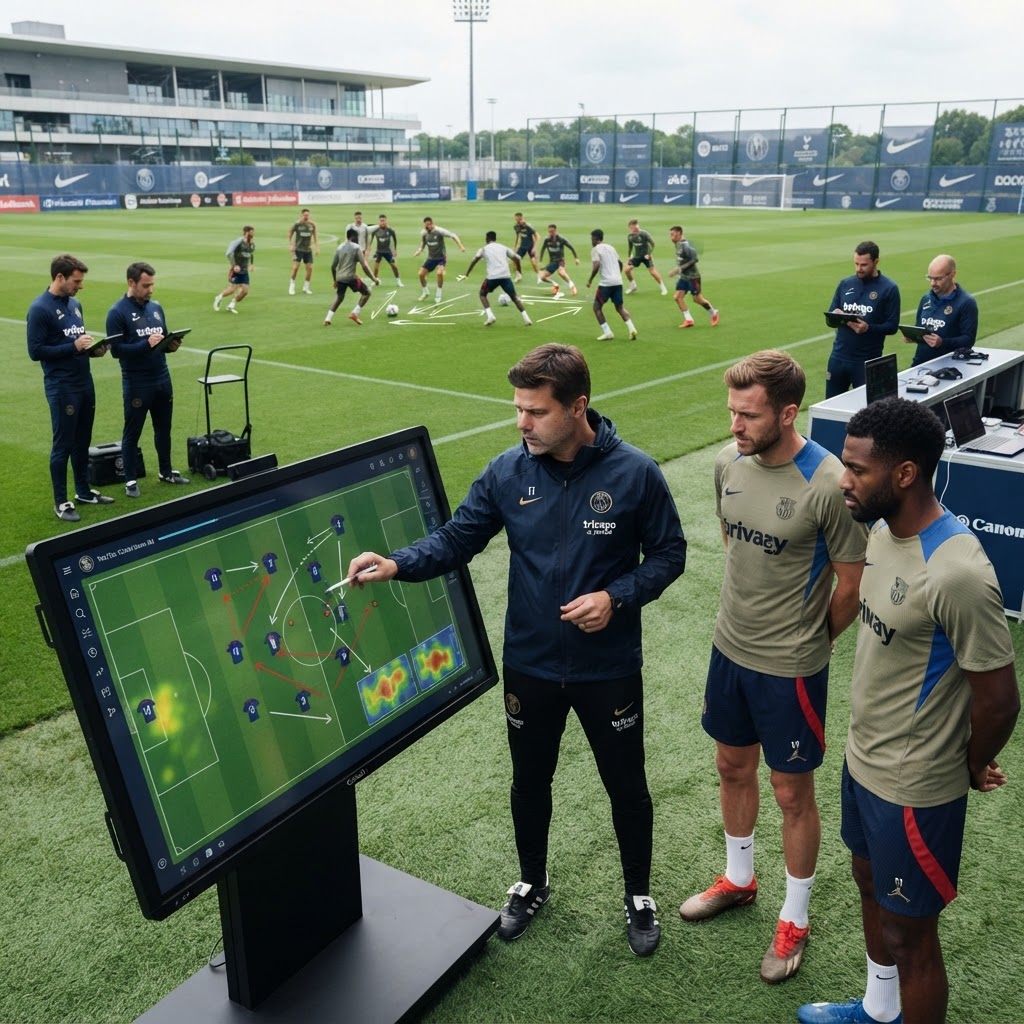
From training, this idea must become usable professional knowledge: understanding the principle, recognizing it in context, applying it, and evaluating its transfer. Modern sports management often fails by treating the team as a sum of static components. The true architecture of performance lies in the team's ability to self-organize under pressure. Excellence is proportional to the quality of the decision-making systems integrated at all levels of the club. By designing training tasks as adaptive response scenarios, rather than technical repetitions, we cultivate executive autonomy. The challenge is not performance in calm phases, but the reconfiguration of the system in the face of chaos. Progress must be measured by the efficiency in the transfer of information, not by hours on the pitch. A systemic methodology ensures that the tactical identity survives changes in personnel. A club with a shared cognitive structure is resilient. Audit your work: if it collapses under extreme fatigue or contextual changes, it is a script, not a system. Continuous training matters because methodology evolves when the professional recurrently connects learning, practice, and evidence.
<section class="pons-ecosystem-cta"><p><strong>Explore David Pons professional profile and strategic collaboration</strong></p><p><a href="https://davidponscoach.com" target="_blank" rel="noopener noreferrer">David Pons professional profile</a></p></section>#InstitutoPons #FootballTraining #Coaches #Methodology #SportsLeadership #DavidPons #FootballCoach #UEFAPro #FootballLeadership #SportingDirector